About the exhibition

Works that found something extraordinary in ordinary life.

This small online exhibition brings together paintings and photographs that look closely at everyday people and things: a kitchen, a chair, two workers on a roadside, a mother and her children.

Alongside them are photographs from my own museum visits. Each work is paired with a short reflection — not an art-history lecture, simply what I noticed and felt while looking.

Selected works

Explore the works

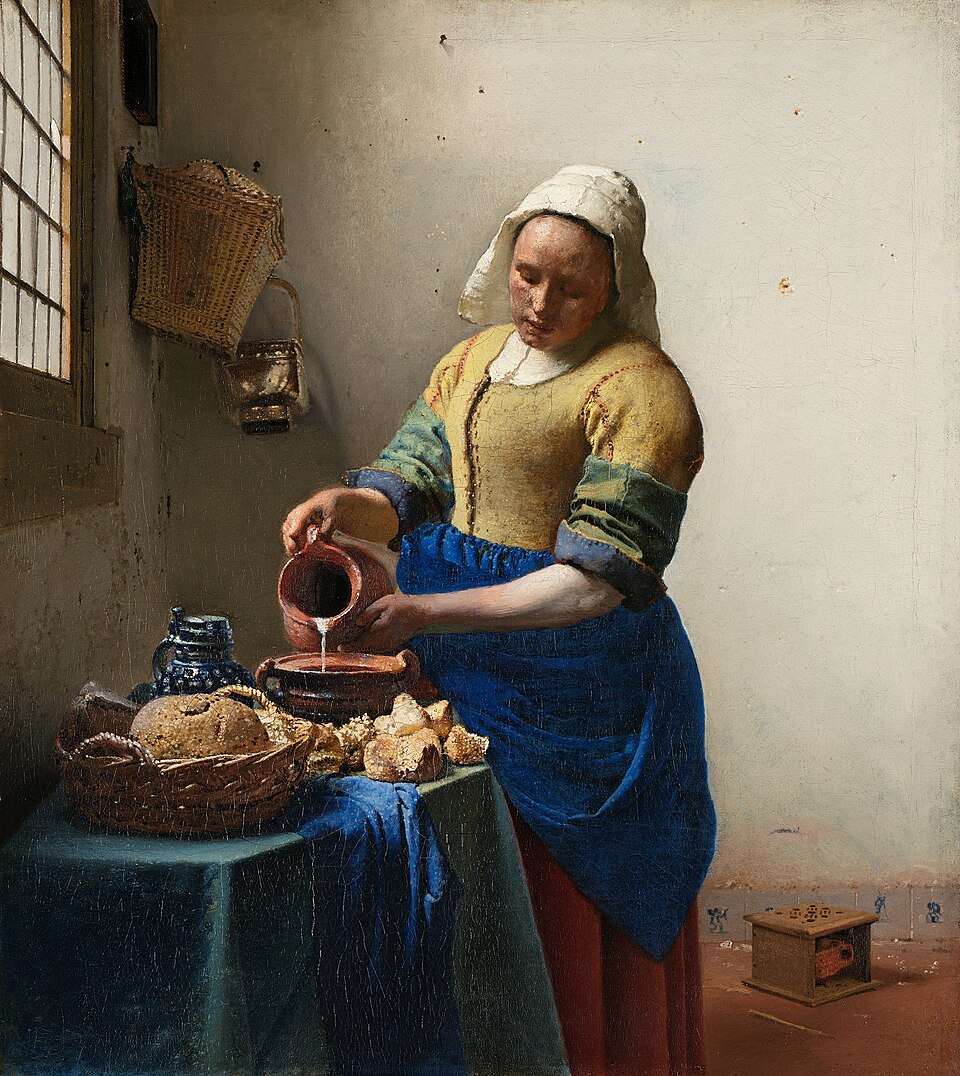
The Milkmaid, Johannes Vermeer · c. 1658 · Oil on canvas

The Milkmaid

Johannes Vermeer · c. 1658 · Oil on canvas
Nothing really happens here. A woman pours milk into a bowl, and that is all. Yet Vermeer gives that small act the whole morning light from the window — the crust of the bread, the thin white stream. It reminds me that paying attention is its own kind of respect.
Light
Daylight from the left window models every surface, from the bread crust to the plaster wall.
Stillness
The only movement is the thin stream of milk — time almost stops.
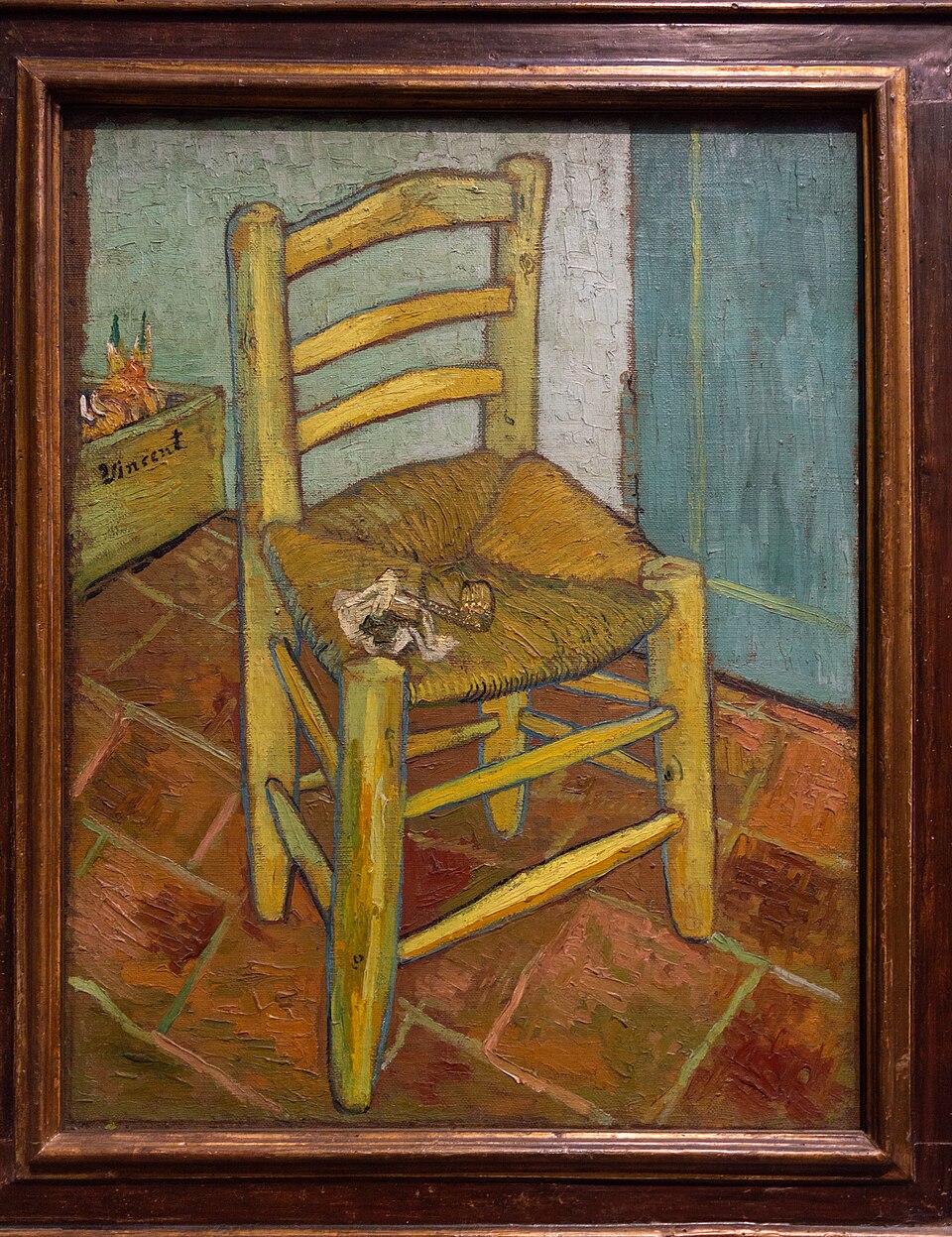
Van Gogh’s Chair, Vincent van Gogh · 1888 · Oil on canvas

Van Gogh’s Chair

Vincent van Gogh · 1888 · Oil on canvas
A plain wooden chair with a pipe and a little tobacco left on the seat. No one is sitting there, yet it feels like a portrait. I love how an object can keep the shape of a person — the way an empty chair at home still feels like someone’s.
Colour
Yellow chair against blue door and red-tiled floor — simple, bold complementary colours.
Absence
The empty seat becomes a portrait of its owner.
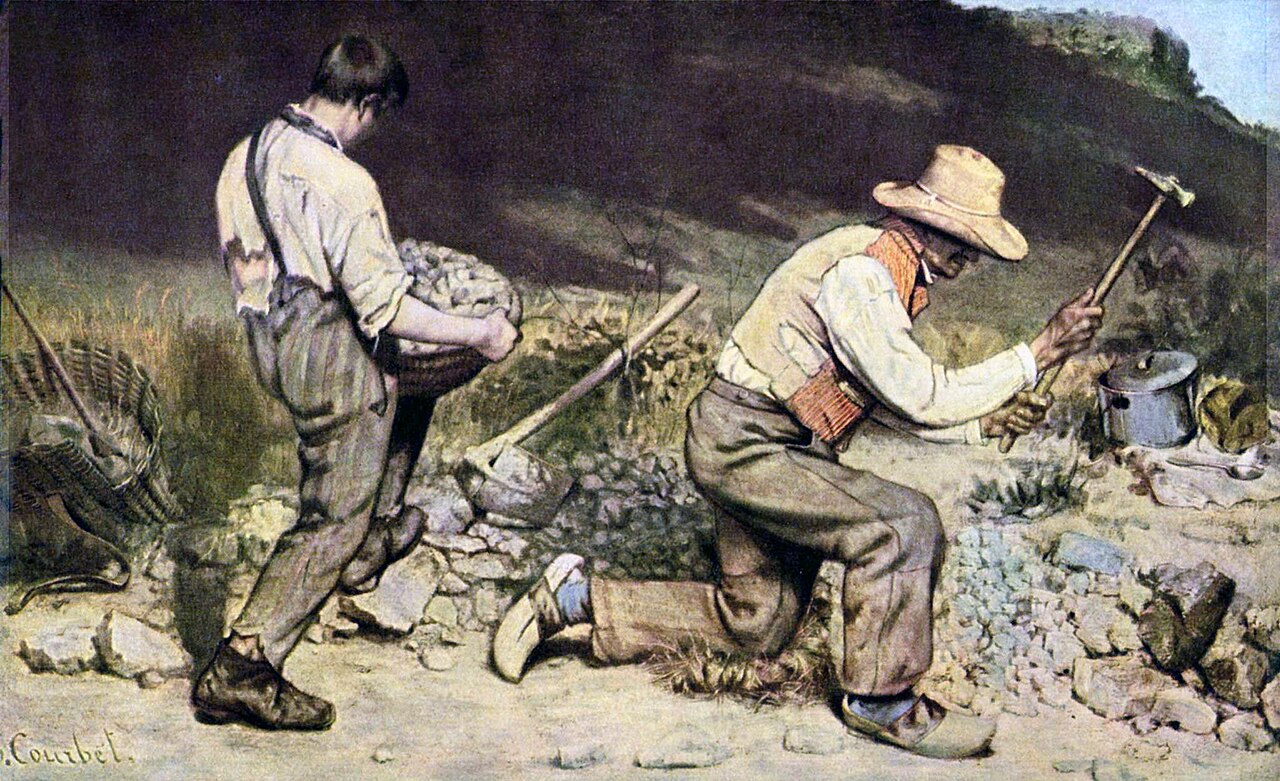
The Stone Breakers, Gustave Courbet · 1849 · Oil on canvas, destroyed 1945

The Stone Breakers

Gustave Courbet · 1849 · Oil on canvas, destroyed 1945
Two workers by the roadside, one young and one old, their faces turned away from us. Courbet painted them at a size usually saved for heroes and kings. It makes me wonder who we choose to look at — and who we walk past every day without noticing.
Scale
Ordinary labourers shown at the size of a history painting.
Anonymity
Turned-away faces make them stand for every worker.
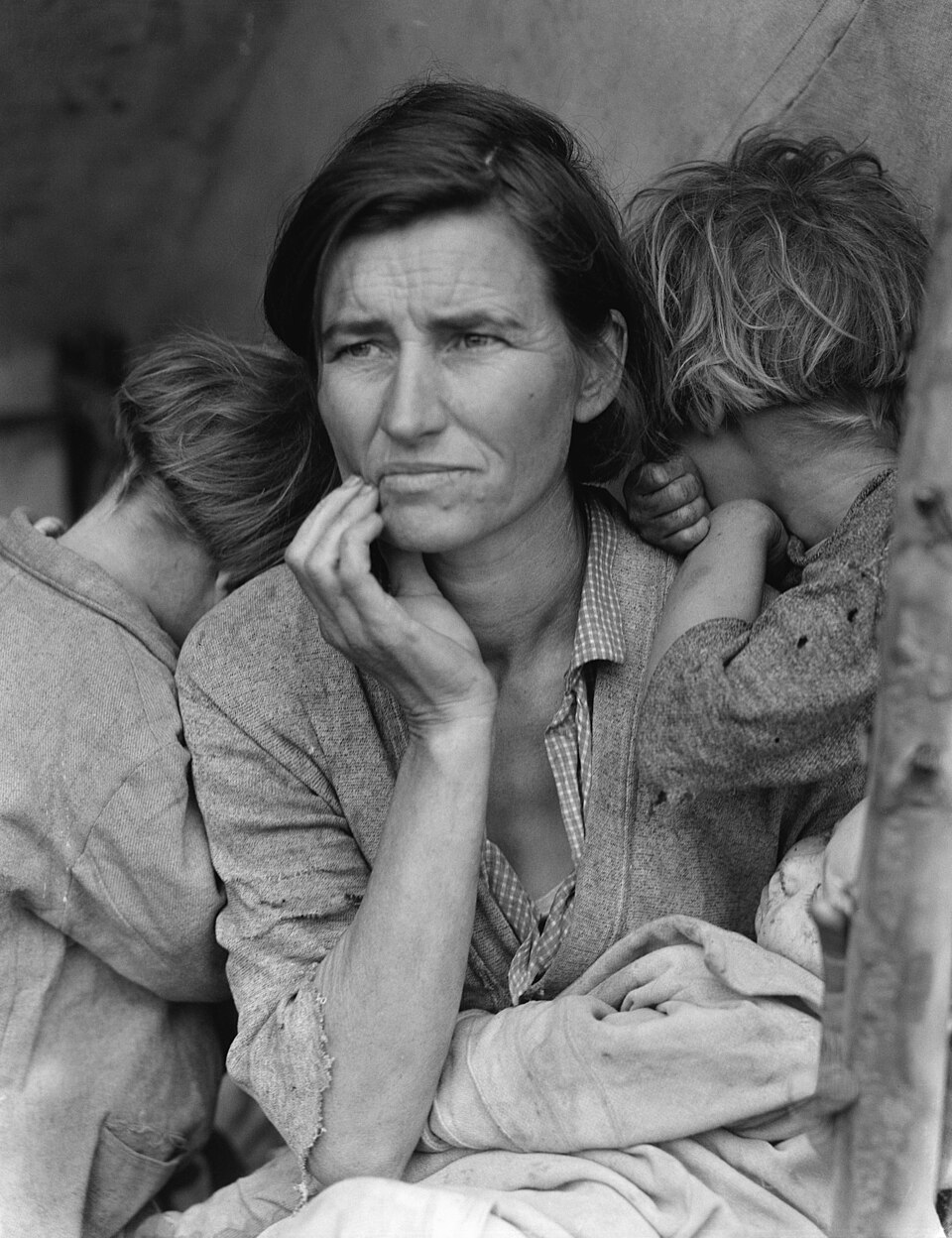
Migrant Mother, Dorothea Lange · 1936 · Photograph

Migrant Mother

Dorothea Lange · 1936 · Photograph
Her hand rests near her mouth while her children turn their faces away. The photograph doesn’t explain the Great Depression; it shows one worried mother. Numbers tell us how many people struggled — a single image makes us feel what it meant.
Gesture
The hand at her mouth carries the whole emotion of the picture.
Framing
Children turned inward frame her face like a classical Madonna.

From my museum visits

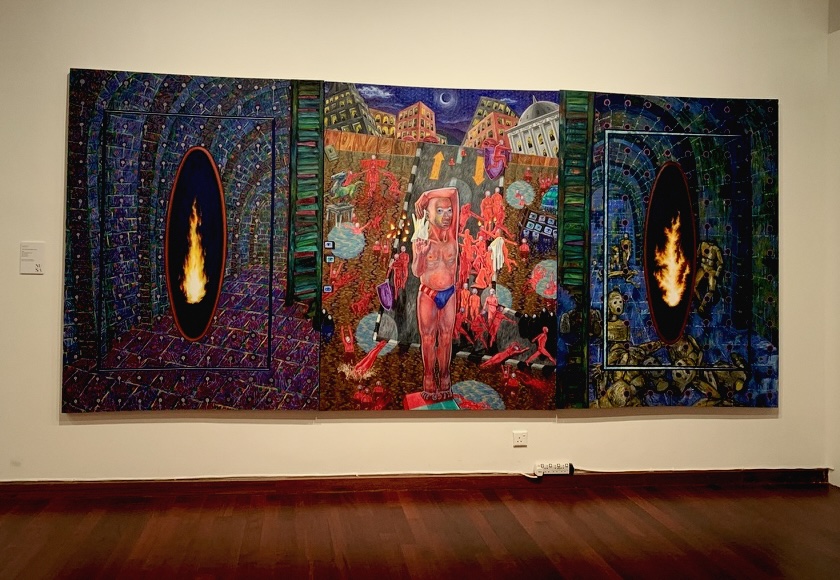
Three Doors of Fire, Triptych · Oil on canvas · Seen in a gallery

Three Doors of Fire

Triptych · Oil on canvas · Seen in a gallery
I didn’t understand it at first, and maybe I still don’t. A city at night, figures in red, two flames burning behind oval doors. But I stayed in front of it longer than any other work in the room. Some paintings don’t explain themselves — they simply ask you to keep looking.
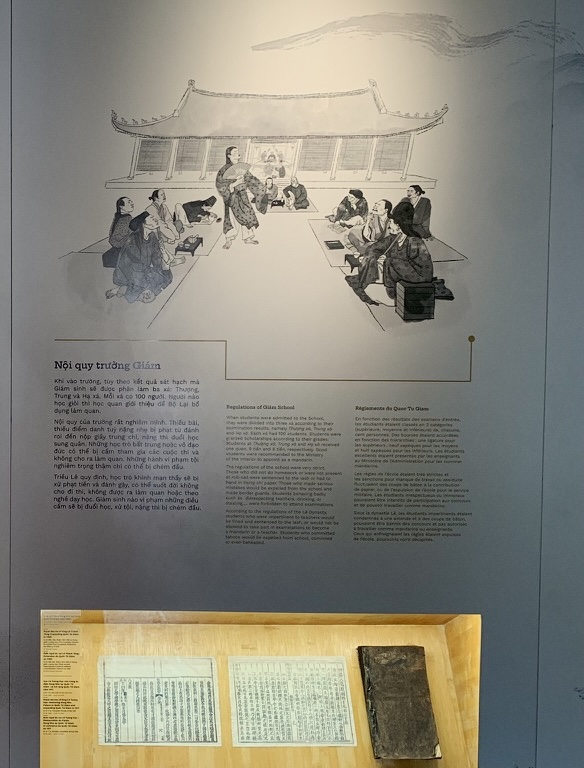
Rules of the Old Academy, Exhibition panel · 1428–1789

Rules of the Old Academy

Exhibition panel · 1428–1789
Students who skipped class or broke the rules were punished; the best were rewarded. Reading it, I smiled — school feels the same across six hundred years. The most ordinary parts of life are often the ones that last.
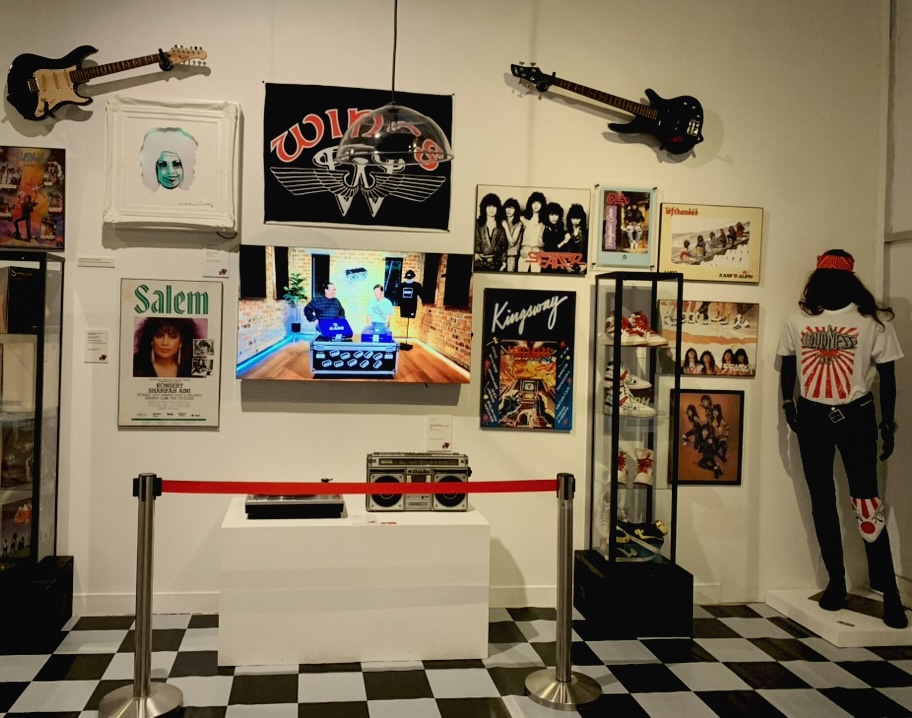
A Wall of Old Songs, Music exhibition · 1980s memorabilia

A Wall of Old Songs

Music exhibition · 1980s memorabilia
Someone once played that boombox on a street corner; someone wore those sneakers to a concert. Nothing here was made to be art. Time made it precious. It makes me wonder which of my ordinary things will one day sit behind glass.

For your visit

Works4 paintings & photographs
Museum notes3 personal visits
Reading timeAbout 8 minutes