Art × Photography × Everyday Life

The Art of Ordinary Things

To see like a painter is to notice
The quiet beauty hiding in everyday things.

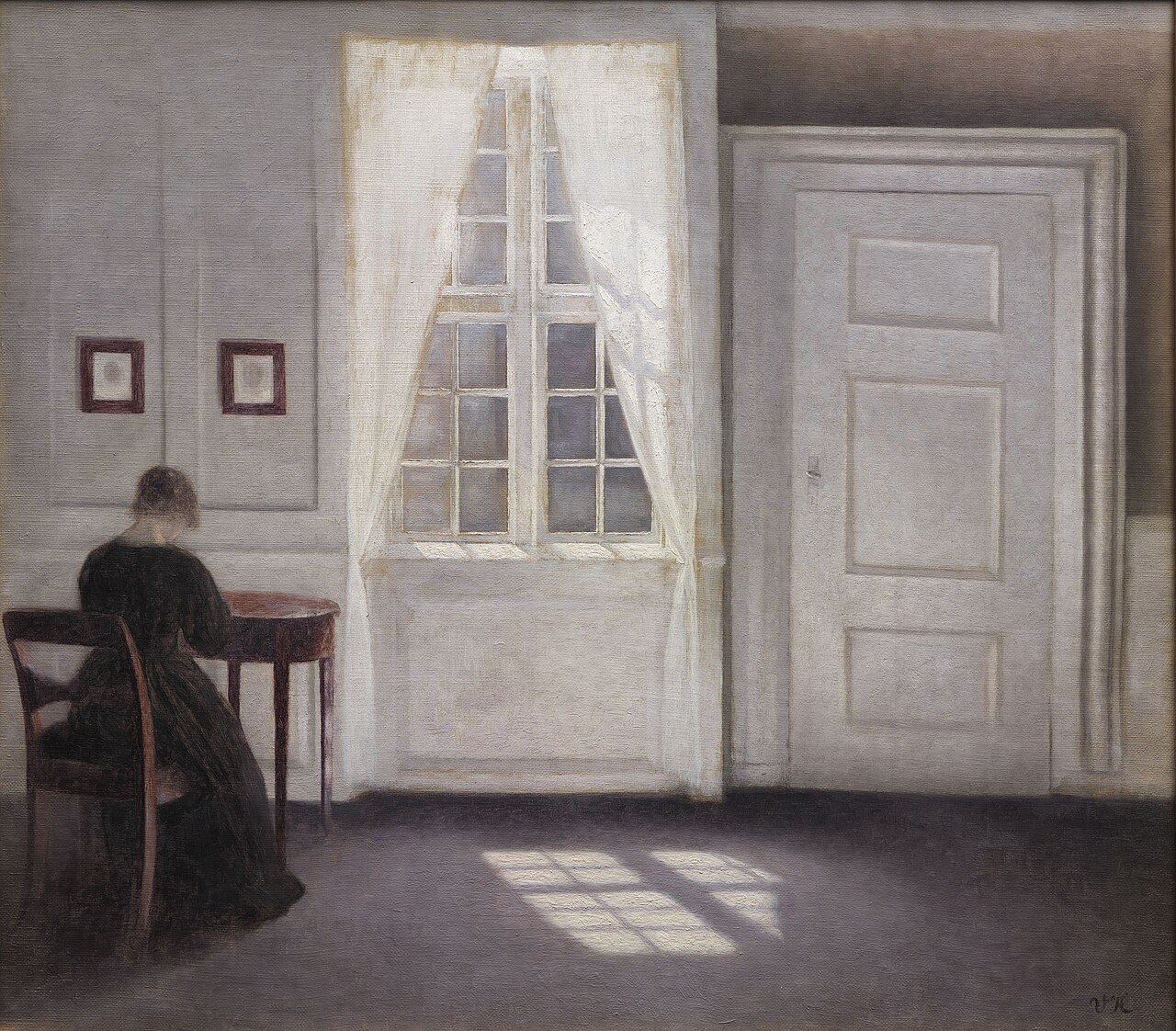
Vilhelm Hammershøi, Sunshine on the floor, Strandgade 30 (1901)
I

Objects with a past

A chair, a teapot, a key on a nail — things that have lived a long life.

II

Light, unplanned

Sunlight and shadow as they fall across walls and quiet floors.

III

Seen like a painting

Everyday colors and moments, framed the way a painter would see them.

Chapter I

Little Things

Photo collections, gathered by theme. Small objects and quiet corners that hold a whole story.

Chapter II

Learning to See

Classic photographs that found art in everyday streets — and the small choices that make each one work.

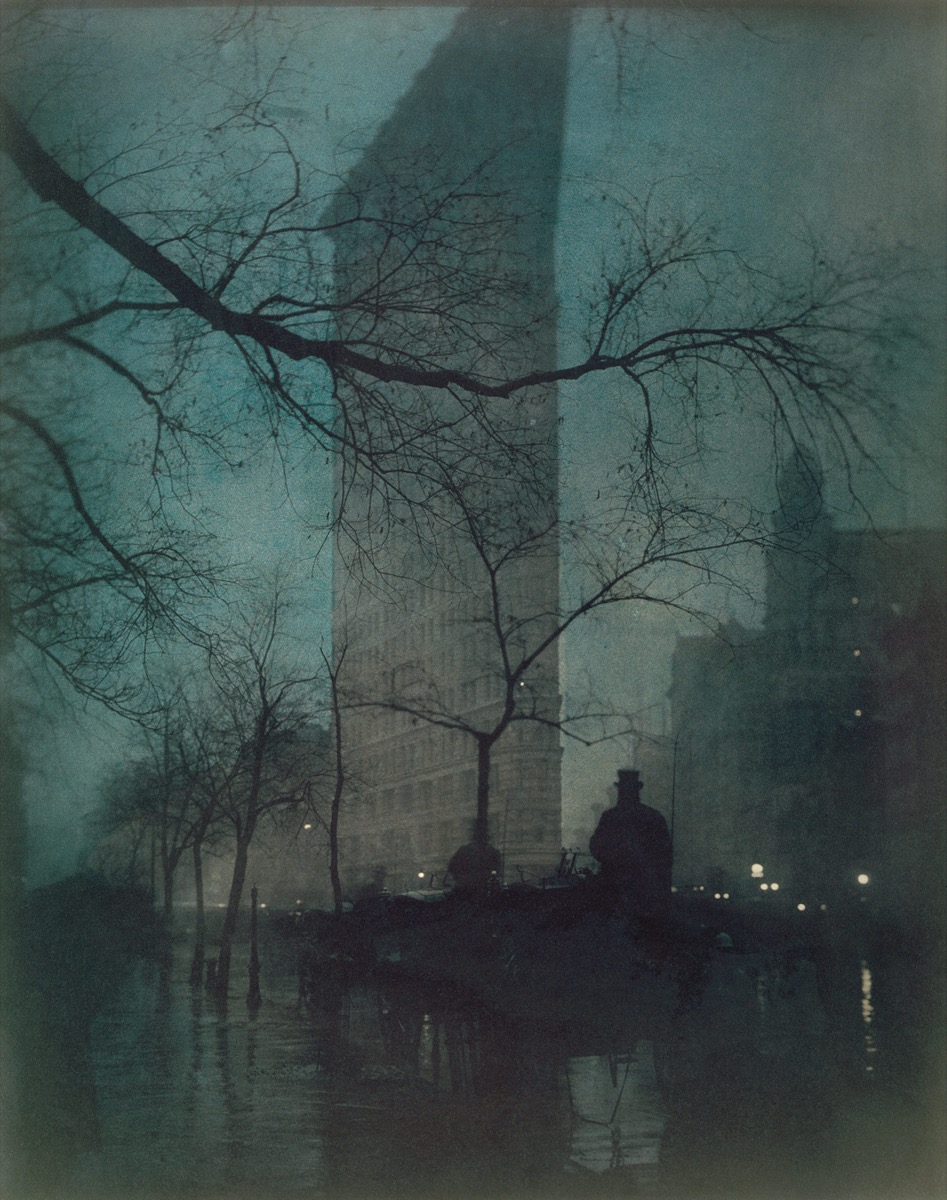
A tall building fading into blue-green dusk behind bare tree branches, a carriage driver silhouetted on a wet street
Edward Steichen, The Flatiron, 1904
Plate 01

A building melting into dusk

A rainy evening, a carriage driver, and a tower that seems to dissolve into the air.

Tone
Blue-green twilight, printed in layers so the photograph reads almost like a painting.
Framing
A dark branch sweeps across the top, framing the tower and pulling us into the scene.
Atmosphere
Rain and mist soften every edge; small streetlights glimmer on the wet road.
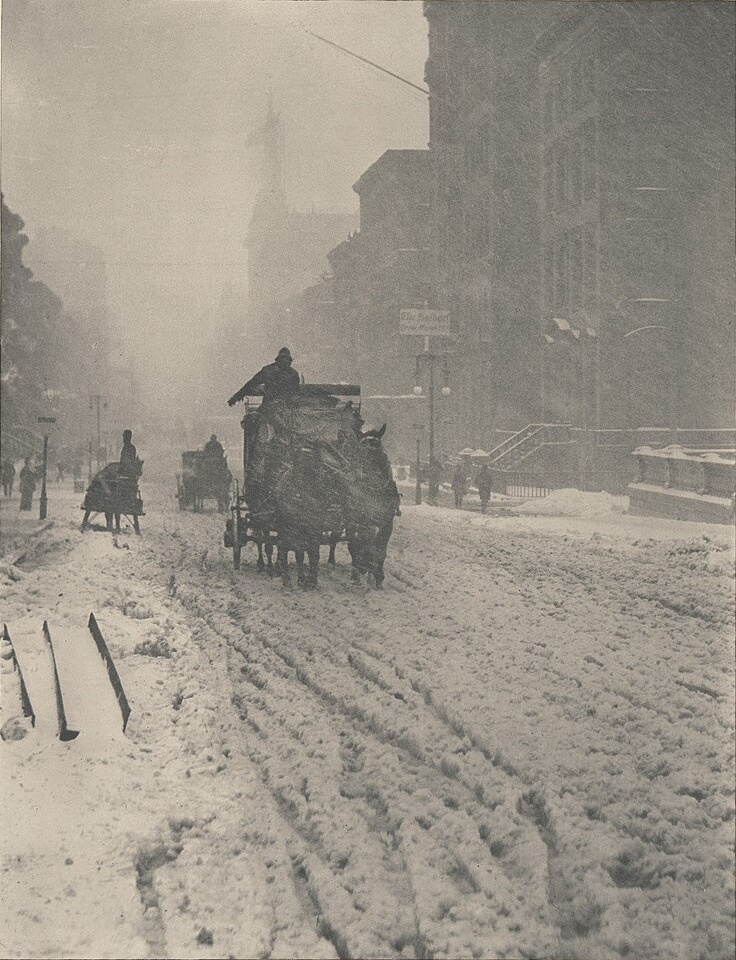
A horse-drawn carriage pushing through deep snow on a city avenue, buildings fading into the storm
Alfred Stieglitz, Winter, Fifth Avenue, 1893
Plate 02

Waiting for the snow

Stieglitz is said to have stood in a blizzard for hours, waiting for this one moment.

Timing
The carriage and driver arrive exactly where the eye wants them — the whole picture hangs on that moment.
Texture
Wheel tracks carved into the snow lead us from the bottom edge straight to the horses.
Mood
Falling snow flattens the background to soft grey, so the city feels quiet even in a storm.
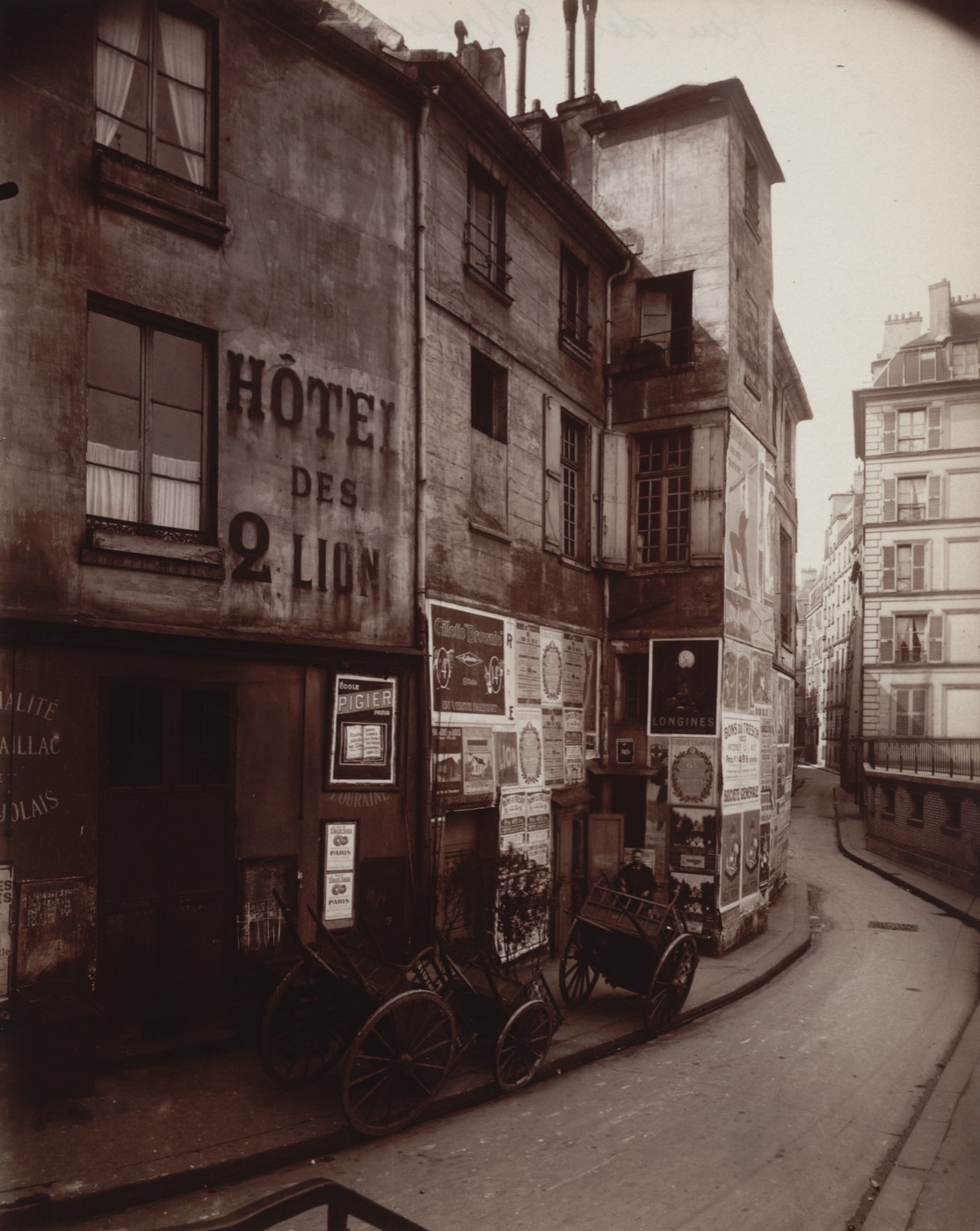
An old curving street with weathered buildings, a painted hotel sign, layered posters and parked handcarts
Eugène Atget, Rue des Ursins, 1923
Plate 03

A street before it disappears

Atget photographed old Paris corner by corner, before much of it was rebuilt.

Light
Soft early light and an empty street — no crowds, only the buildings and their traces of life.
Detail
A hand-painted hotel sign, layers of posters, carts left by the door: every surface tells a story.
Curve
The road bends out of sight, inviting us to walk around the corner.
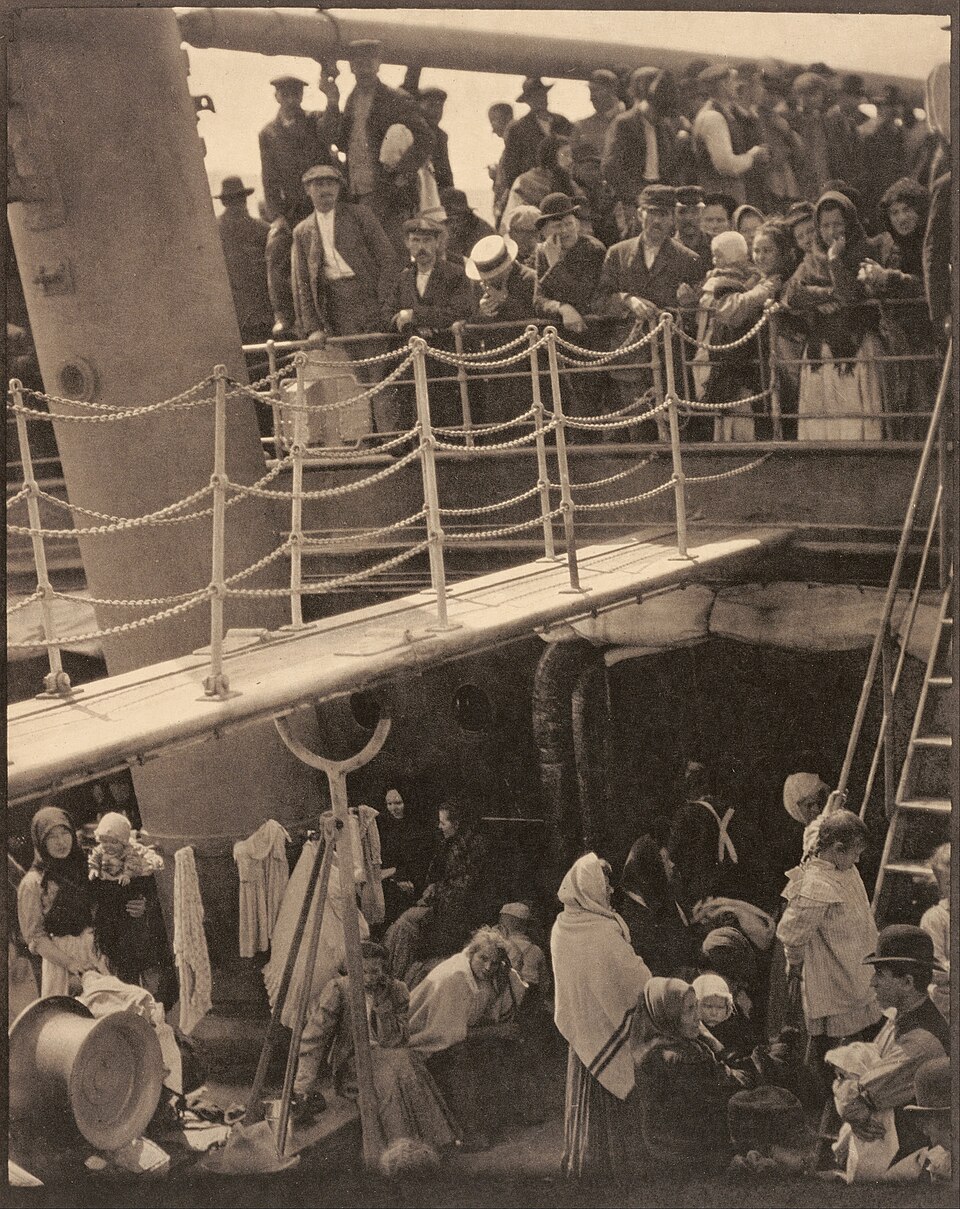
Passengers crowded on two decks of a ship, divided by a bright diagonal gangway
Alfred Stieglitz, The Steerage, 1907
Plate 04

Shapes before people

Stieglitz later said he first saw the scene as a picture of shapes — then of people.

Geometry
A bright diagonal gangway slices the frame in two, with a ladder, a funnel and a mast holding it together.
Two worlds
An upper deck looking down, a lower deck going about its day — the composition quietly tells the story.
Details
A straw hat, hanging laundry, a child on the stairs: small things that make it human.
Chapter III

Visual Diary

A diary written in pictures. One roll, one day, and a few lines of what it felt like.

A wet street after rain
18Saturday · October

Rain stopped just before noon

The street vendor across the road wiped down her stools one by one. The tiles were still wet, and everything reflected twice.

Roll 14f/2.81/125
Read entry ↗
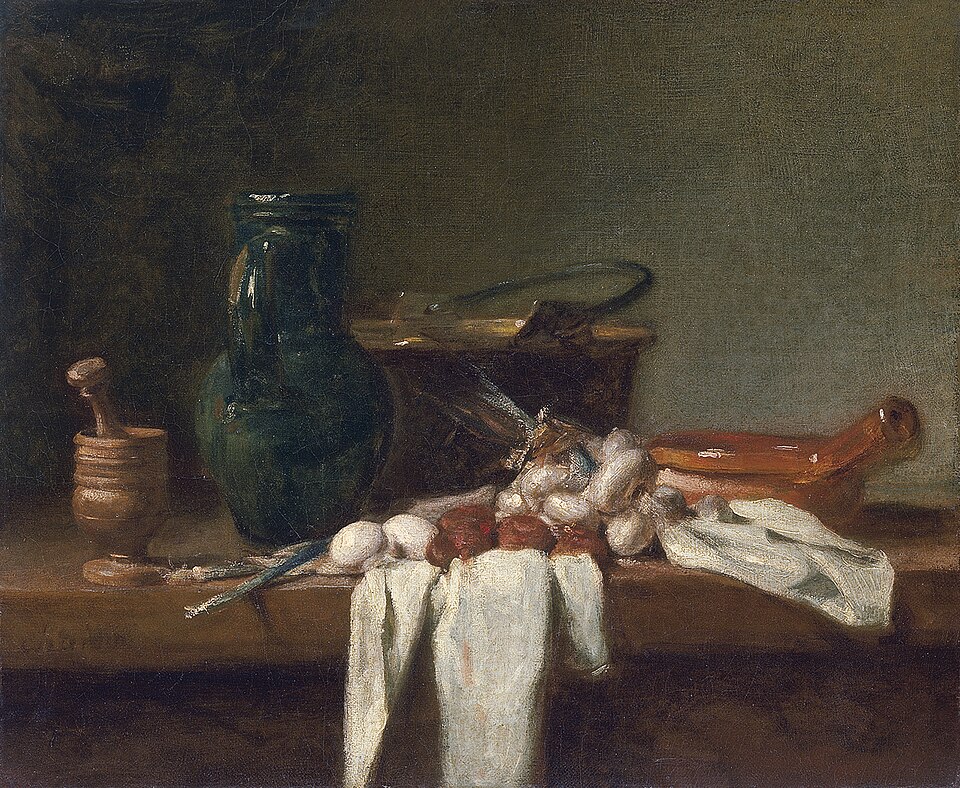
Jean-Siméon Chardin, Still Life with Pestle and Mortar, Pitcher and Copper Cauldron
11Saturday · October

Grandmother’s cupboard

Porcelain bowls with tiny chips, a tin of buttons, and a radio that still works if you tap it on the left side.

Roll 13f/41/60
Read entry ↗
An empty café
A glass of iced coffee
An old electric fan
04Saturday · October

The café nobody visits

Two tables, one fan, and a cat asleep on the counter. I ordered a cà phê sữa đá and stayed for the light.

Roll 12f/21/250
Read entry ↗
Chapter IV

Colors of Life

Photo sets arranged by palette — the colors a place leaves behind after you’ve gone. Choose a palette to see the frames that share it.

Chapter VI

Kindness & Courage

Photographs of ordinary people in hard times — of sharing, holding on, and carrying on.

When life had very little to give, people still found something to give each other.

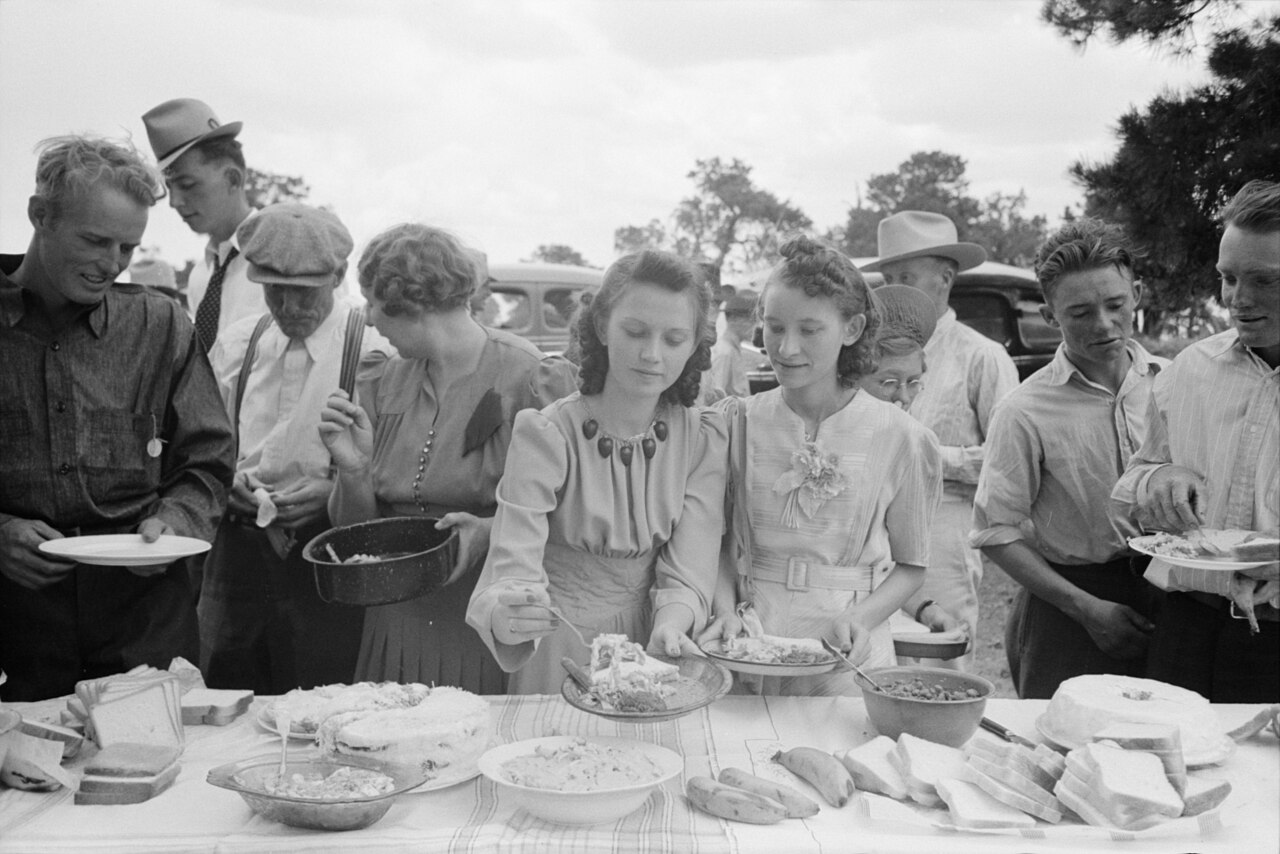
Neighbours serving each other food at a long outdoor table
Kindness

Sharing the table

Russell Lee · 1940

In a farming community that had very little, neighbours brought whatever they could cook and served one another at a long table. Nobody here is rich, yet the table is full. Kindness is often just this — passing the plate along.

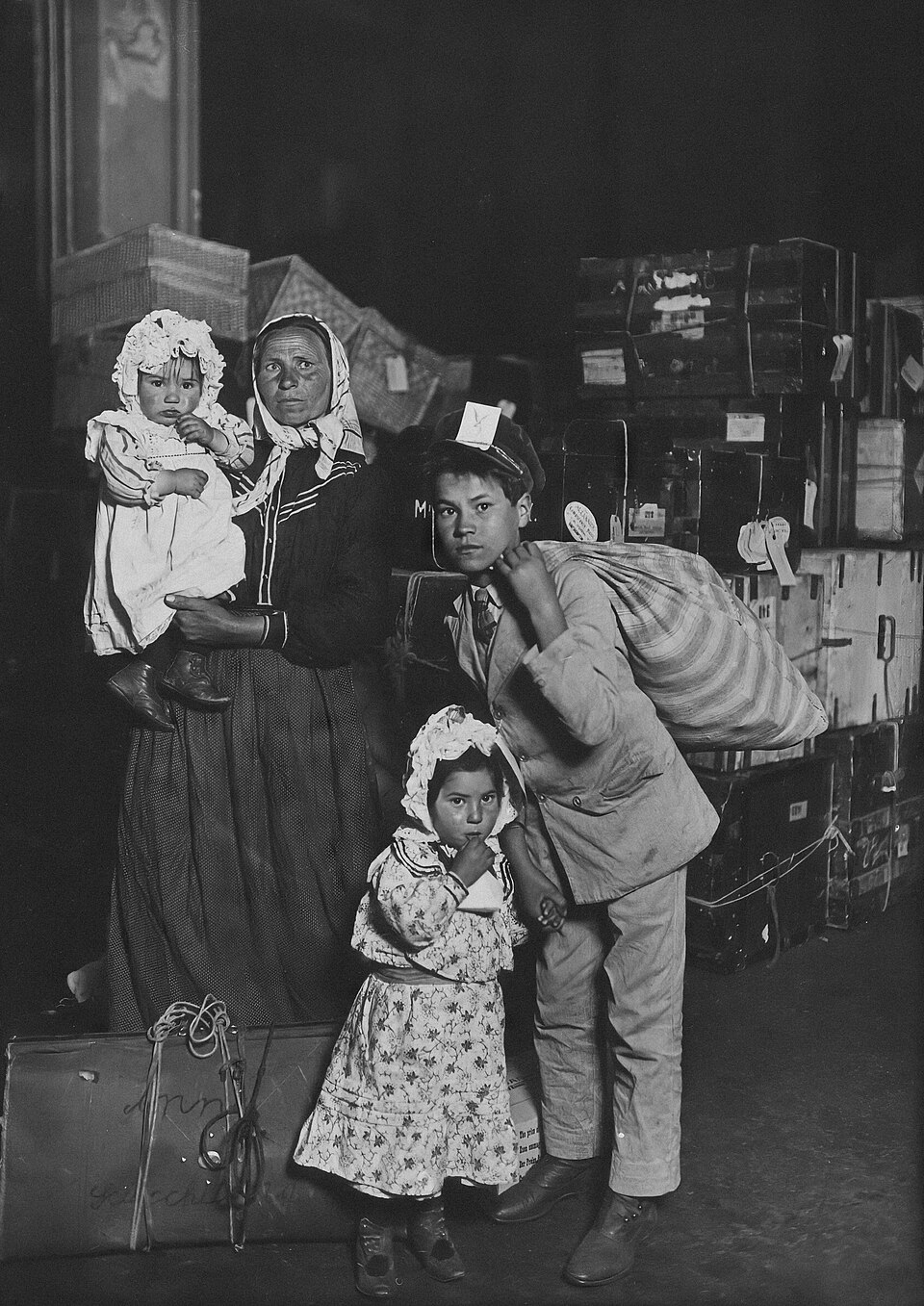
A mother holding a baby, a boy carrying a large bundle on his back and a little girl holding his hand, surrounded by luggage
Family

Holding on to each other

Lewis Hine · 1905

A mother holds her baby; the eldest son carries the family’s belongings on his back while his little sister clings to his hand. They have just arrived in a new country with everything they own in a few bags. What they carried most was each other.

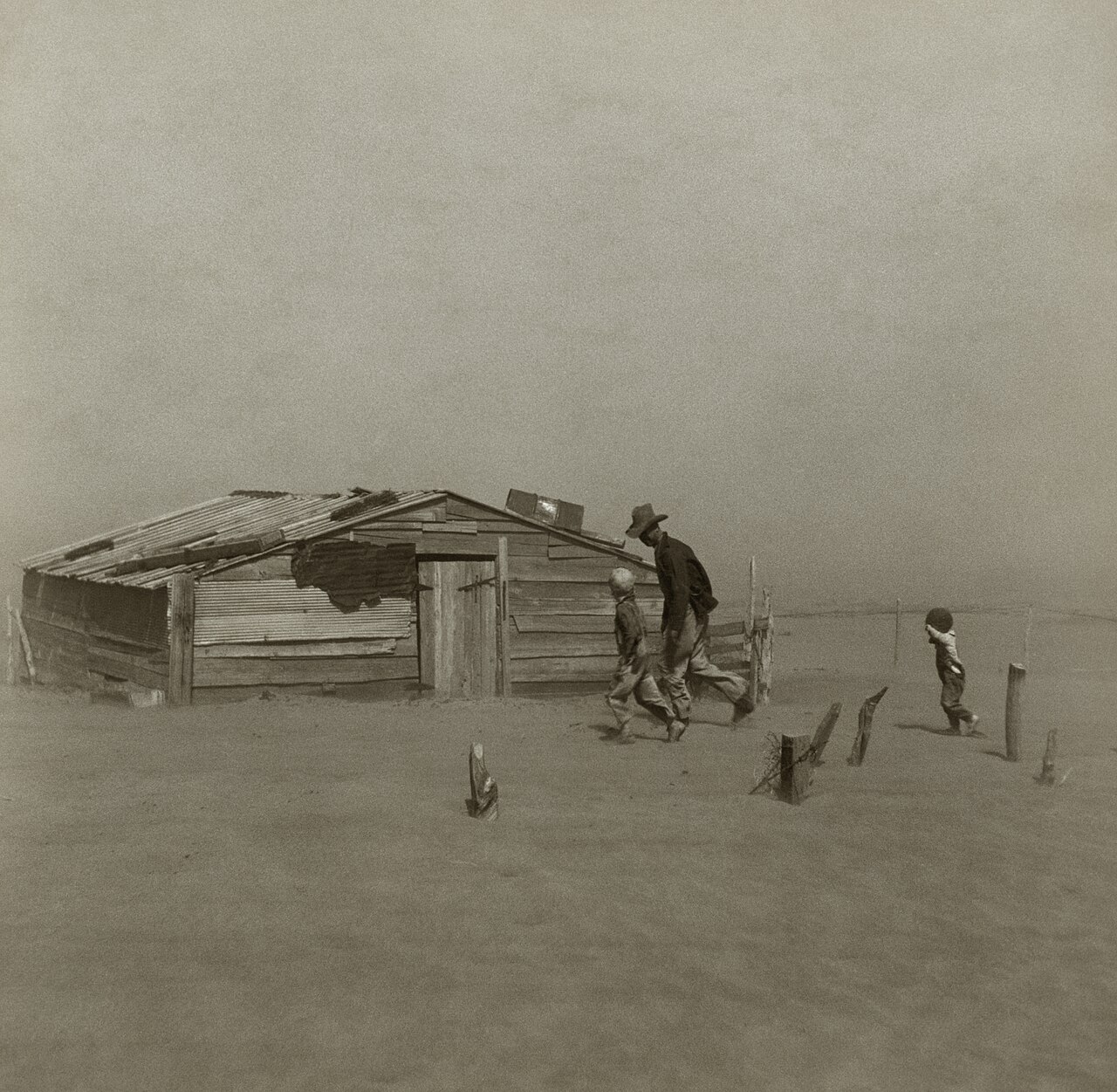
A father and two sons walking past a half-buried shed in a dust storm
Courage

Walking into the storm

Arthur Rothstein · 1936

A father and his two sons cross their farm in a dust storm; the youngest shields his face. The fence posts are almost buried. Still, they keep walking. Hard times are not only endured — they are walked through, one step at a time.

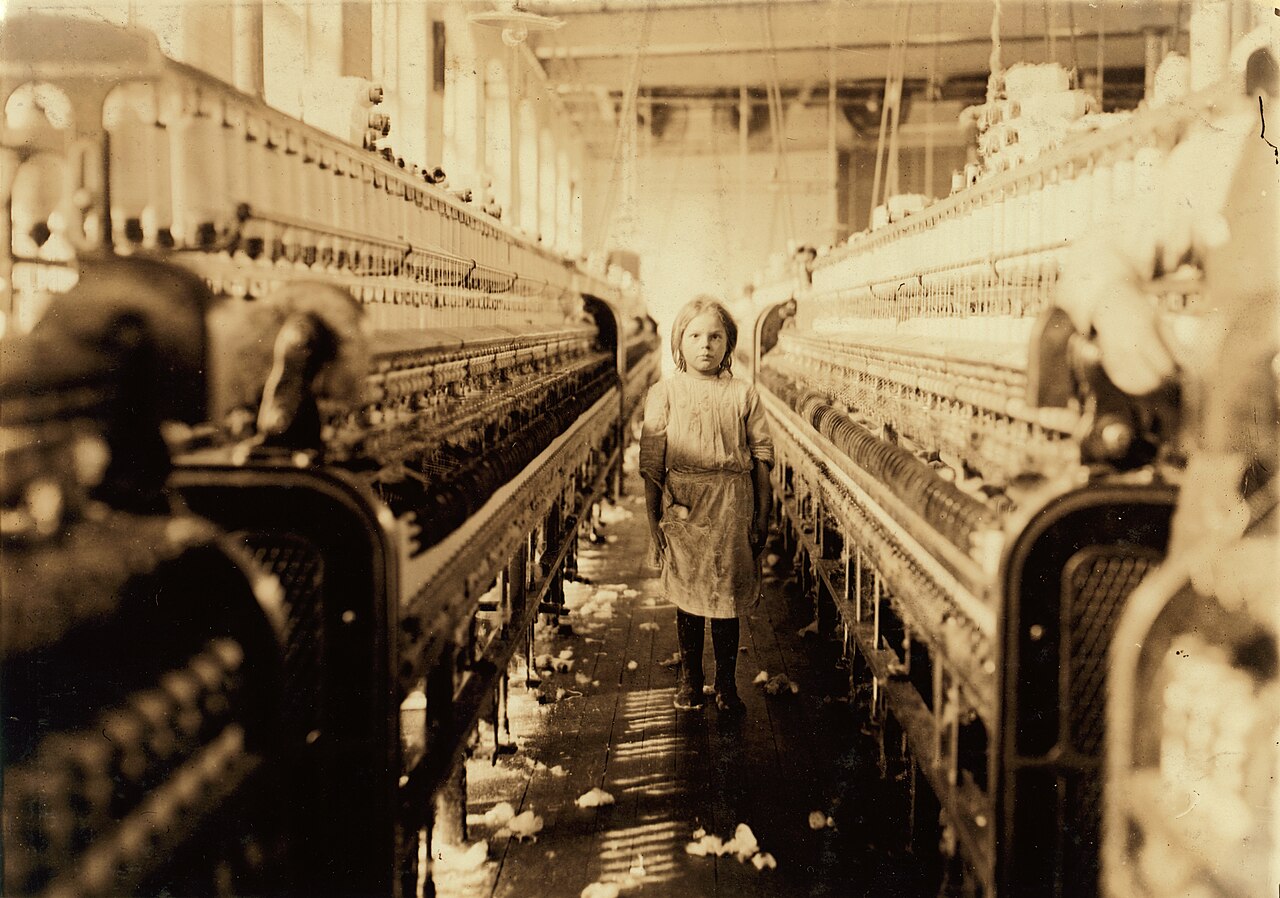
A small girl standing in the aisle between huge spinning machines in a cotton mill
Childhood

The little spinner

Lewis Hine · 1908

A small girl stands between towering spinning machines, looking straight at us. Hine’s photographs of children at work helped change the laws that allowed it. A single honest picture can make a whole society stop and look.

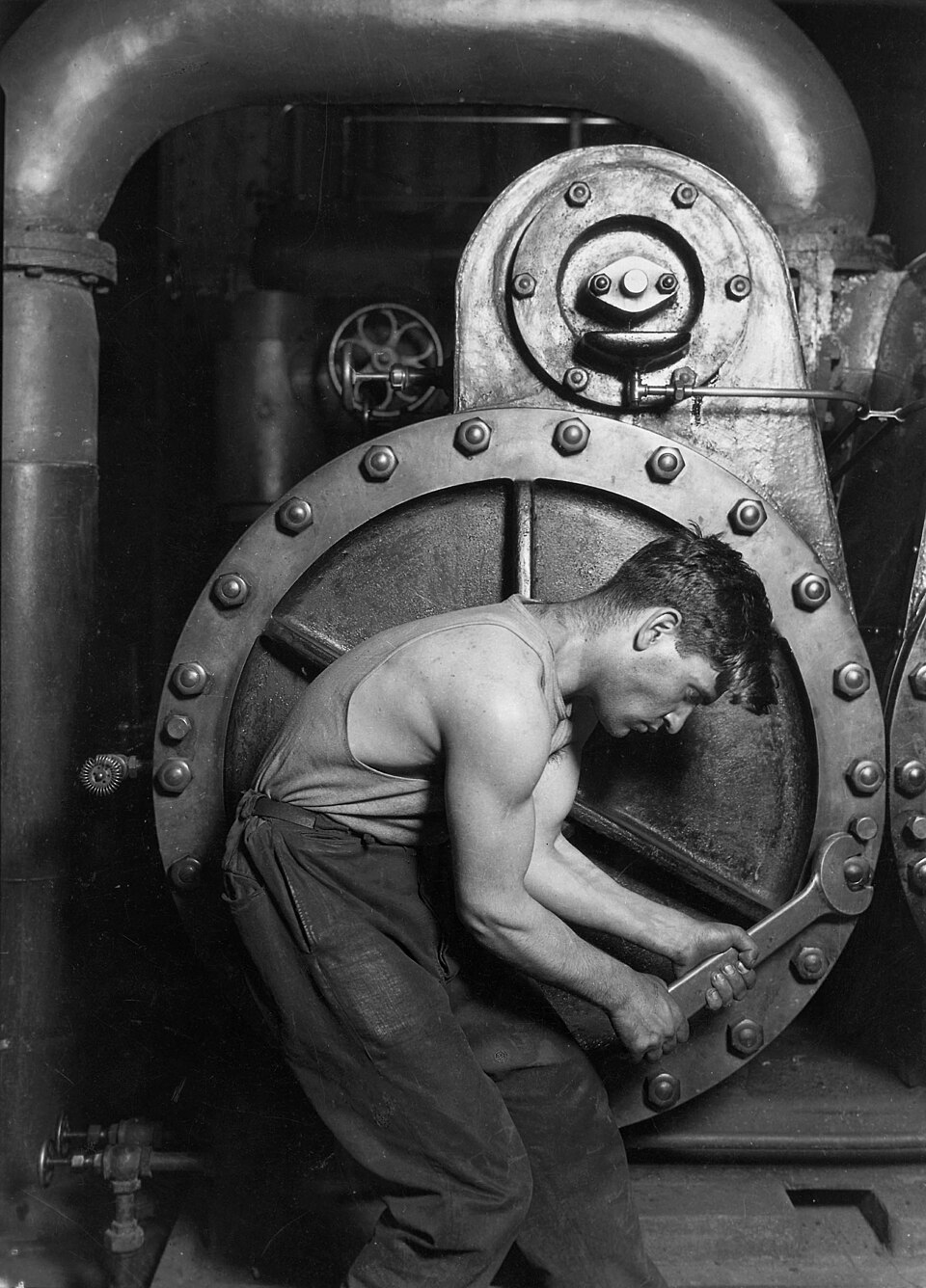
A mechanic bending over a giant steam pump, tightening a bolt with a wrench
Dignity

The mechanic

Lewis Hine · 1920

A worker leans into a giant steam pump, his body curving with the machine. Hine called these his “work portraits”. They remind me that ordinary labour has its own strength and grace — and the people who do it deserve to be seen.

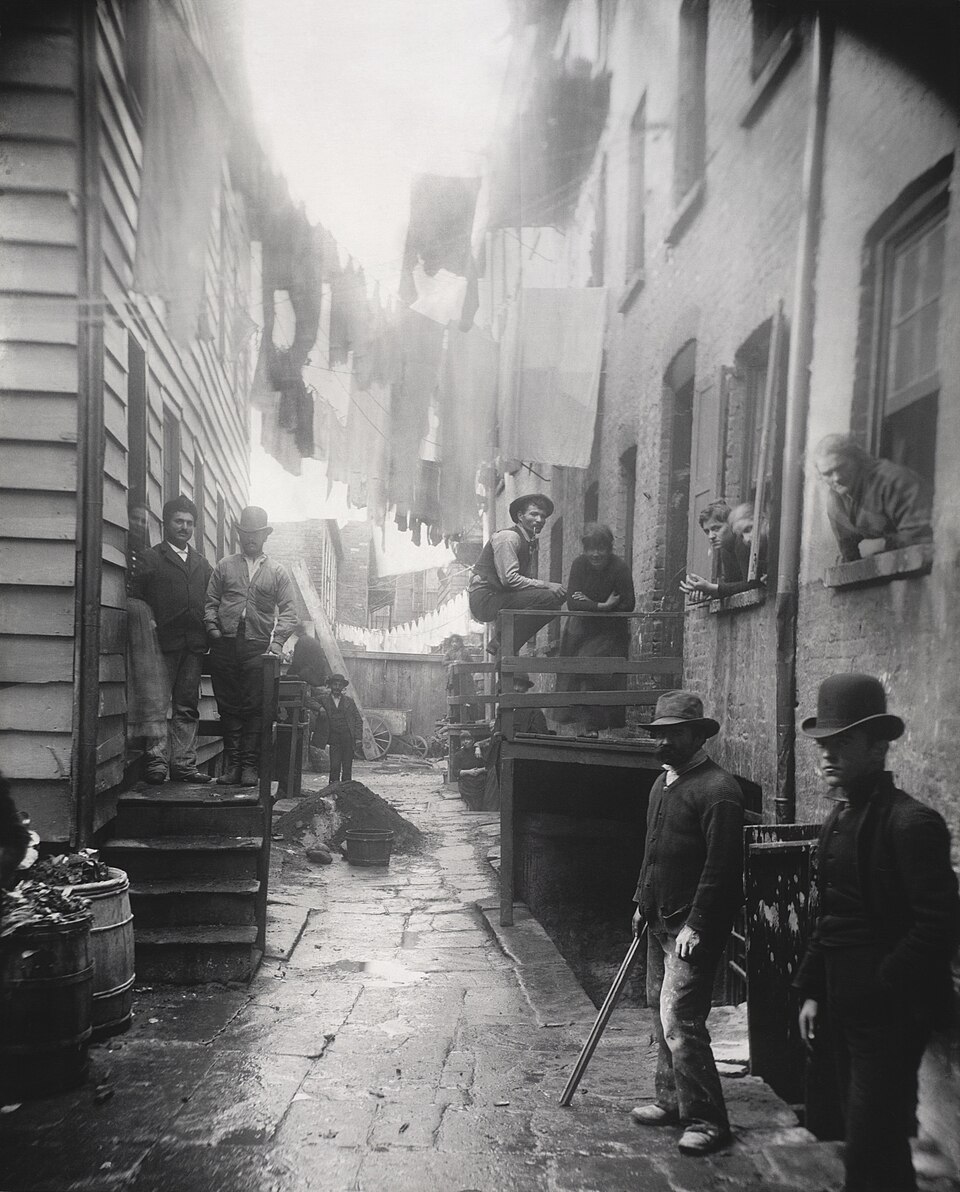
A narrow crowded alley lined with old buildings, people standing and staring at the camera
Old society

A crowded alley

Jacob Riis · 1888

A narrow alley, laundry overhead, faces staring back at the camera. Riis showed comfortable readers how the poorest families lived, and his pictures helped push for better housing. More than a century later, those faces still ask us not to look away.

Chapter VII

Stories Behind the Frame

Every photograph is the last second of a longer story. Here are the rest of them.

Story No. 07 · 6:40 AM

The man who walked the same street every morning

For three weeks I waited at the same street corner with the same camera and the same roll of film. Every morning at 6:40, a man in a yellow coat walked past carrying a single loaf of bread.

On the fourth week I raised the camera. He looked straight at me — not surprised, almost as if he had been expecting it — then nodded and kept walking.

“The ordinary isn’t the absence of beauty. It’s beauty that hasn’t been noticed yet.”
CameraPentax MX
Lens50mm f/1.7
FilmPortra 400
Exposure1/125 · f/2.8
Read the story ↗
A man walking alone through morning light
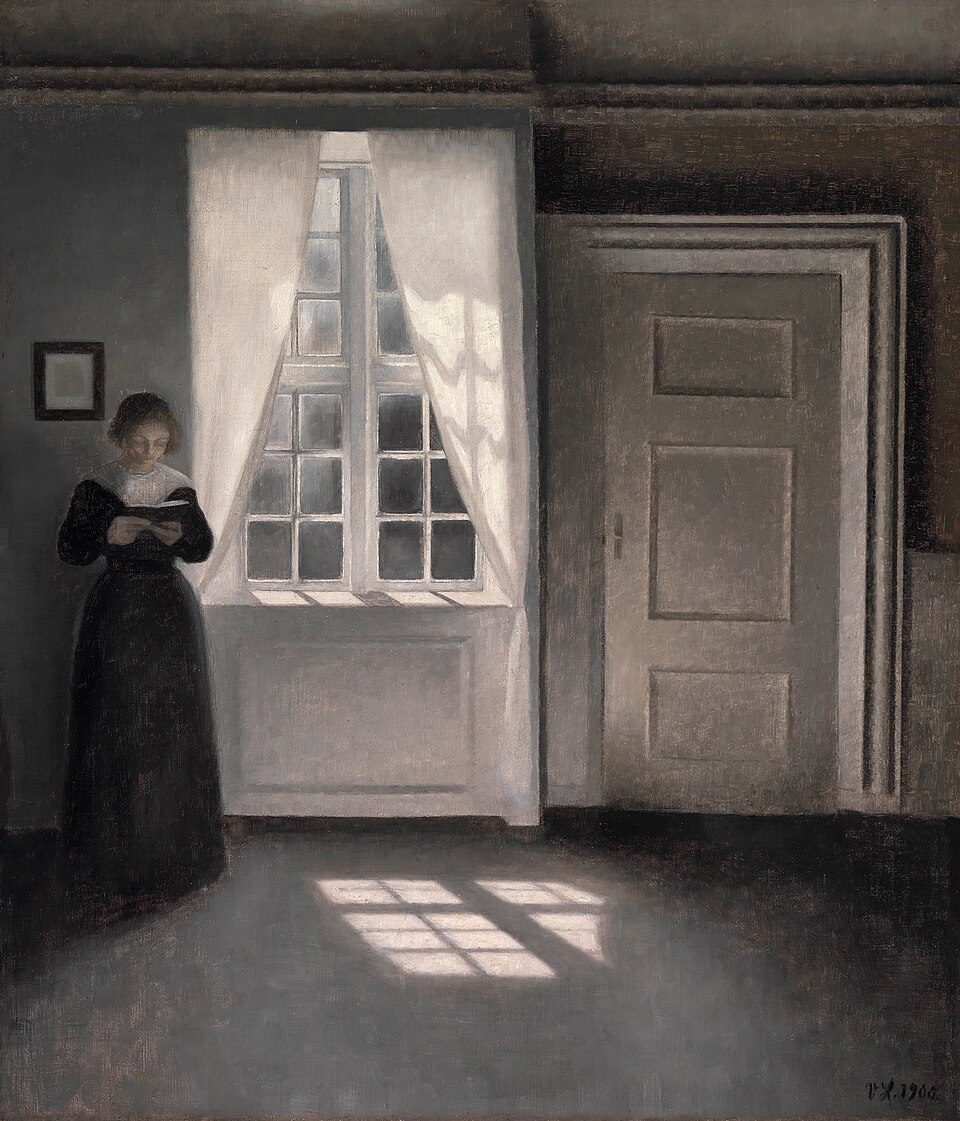
Vilhelm Hammershøi, Interior, Strandgade 30 (1900)
Story No. 06

An empty room, after Hammershøi

Read ↗
An old carved wooden door in a weathered stone wall
Story No. 05

The door at the end of the alley

Read ↗
A vintage film camera
Story No. 04

The camera I almost sold

Read ↗